
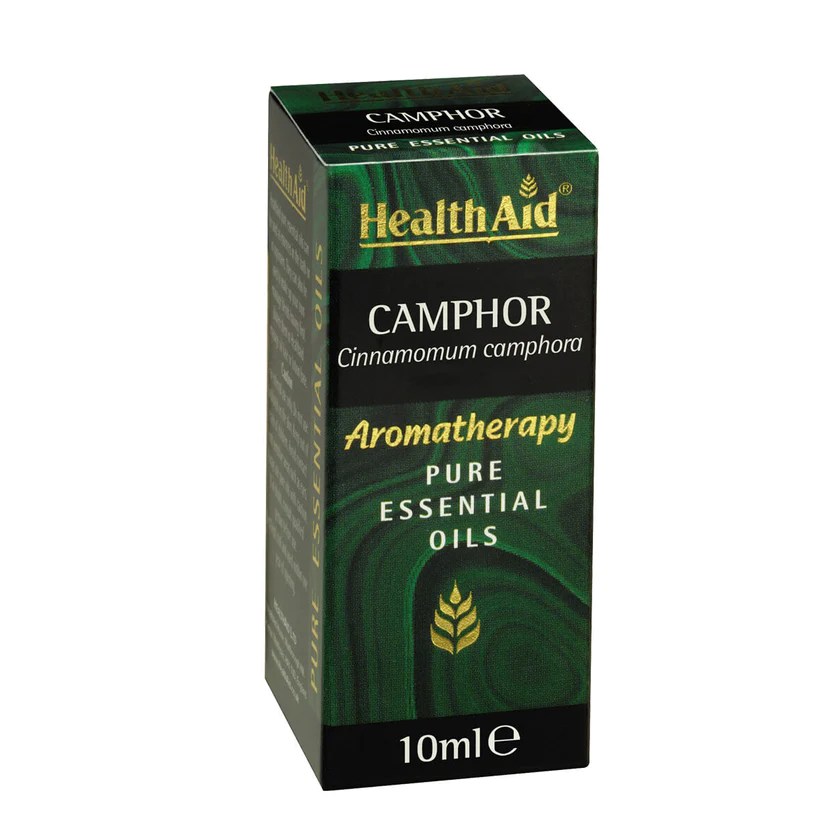
Camphor Oil 10ml HealthAid
$ 9.18
Camphor Oil HealthAid Camphor oil is a white, crystalline substance with a strong aroma. It is obtained from the wood of the camphor tree (Cinnamomum camphora) or synthesized from turpentine oil. Here are some key points about camphor: 1. **Aroma:** – Cinnamomum oil has a distinctive, aromatic odor that is often described as medicinal or minty. It has a cooling sensation when smelled. 2. **Sources:** – **Natural Source:** Cinnamomum oil is naturally found in the wood of the camphor tree. The tree is native to East Asia but is also cultivated in other regions. – **Synthetic Source:** Most of the Cinnamomum used commercially is synthesized from turpentine oil derived from pine trees. 3. **Uses:** – **Medicinal Use:** Cinnamomum has a long history of use in traditional medicine for its perceived medicinal properties. It has been used in topical products, such as ointments and balms, for its cooling and analgesic effects. – **Aromatherapy:** Cinnamomum oil is used in aromatherapy for its invigorating and refreshing scent. It is believed to help clear the mind and promote a sense of alertness. – **Insect Repellent:** Cinnamomum has insect-repelling properties, and camphor-containing products are sometimes used to deter insects. – **Manufacturing:** Cinnamomum is used in the manufacture of various products, including plastics, explosives, and pharmaceuticals. 4. **Topical Application:** – Cinnamomum is often included in topical products, such as creams, ointments, and balms, for its potential pain-relieving and anti-inflammatory effects. – It should be used cautiously on the skin and diluted in a carrier oil to avoid skin irritation. 5. **Toxicity and Safety:** – While Cinnamomum has various uses, it is important to note that ingesting or applying large amounts of pure Cinnamomum can be toxic and should be avoided. – Ingesting Cinnamomum-containing products can lead to serious health issues, including seizures. 6. **Camphorated Products:** – Cinnamomum is often found in products labeled as “camphorated” or “Cinnamomum oil.” These may include chest rubs, muscle balms, or vaporizing ointments. 7. **Regulation:** – Due to safety concerns, the use of Cinnamomum is regulated in some regions. In the United States, for example, the FDA regulates the concentration of Cinnamomum in over-the-counter products. 8. **Alternative Uses:** – Cinnamomum is sometimes used in household products such as mothballs, where its insect-repelling properties are utilized. It’s essential to follow product instructions and use Cinnamomum-containing products with caution. If you have specific health concerns or conditions, it’s advisable to consult with a healthcare professional before using Cinnamomum-based products.
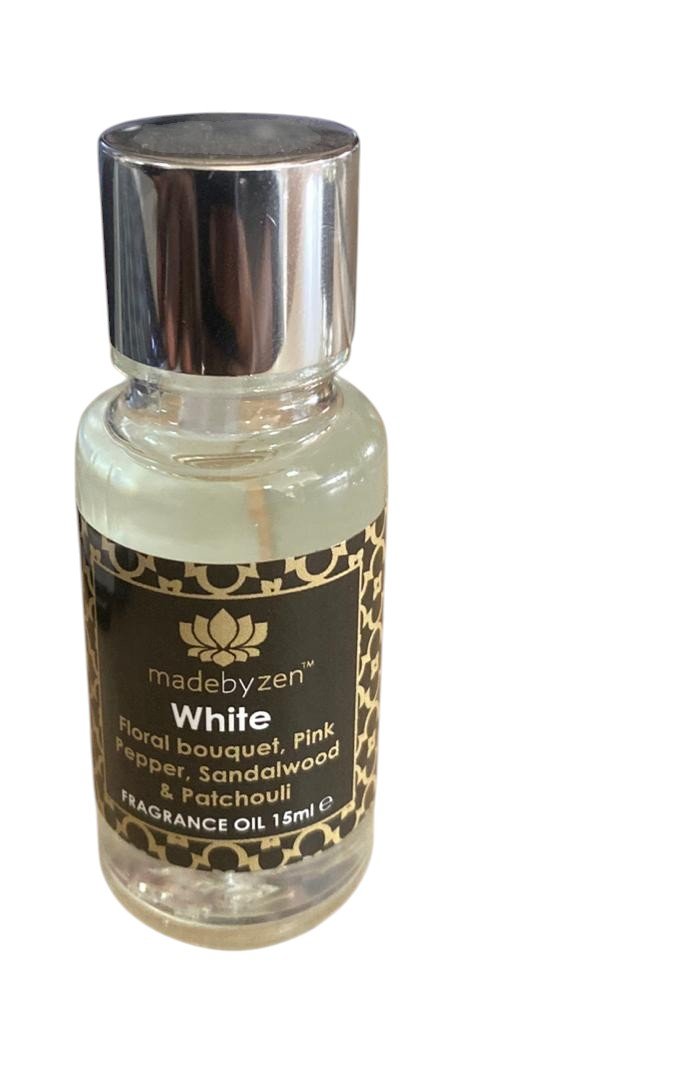
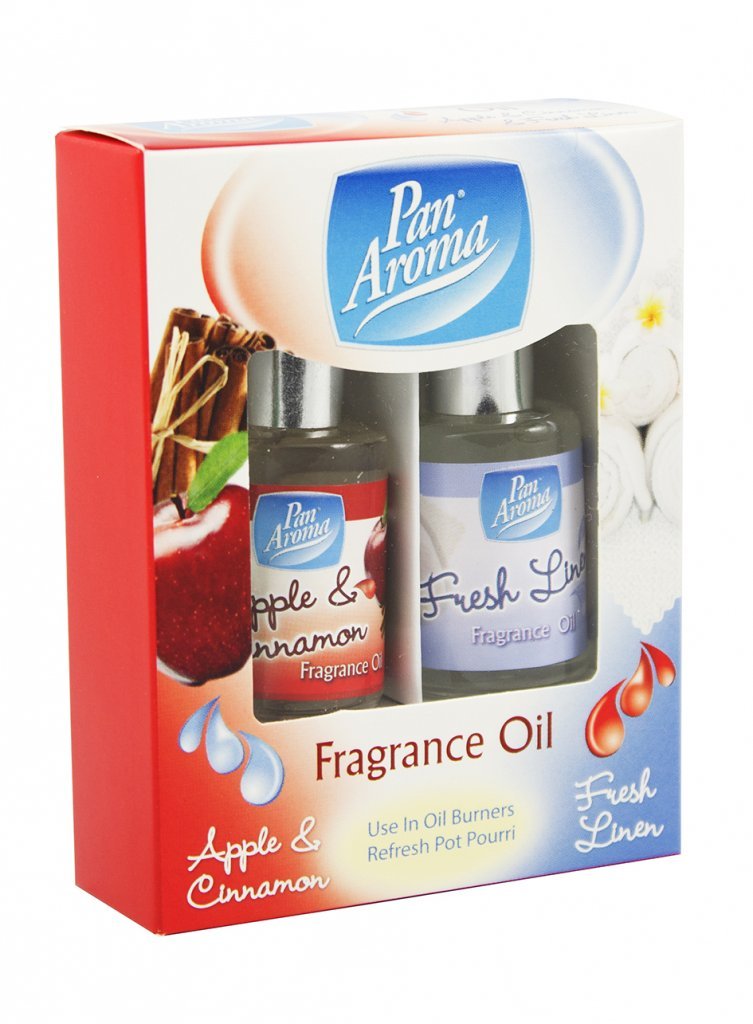 Pan Aroma 2-Pack Apple & Cinnamon Fragrance Oils – Long-Lasting Home Scent for Diffusers
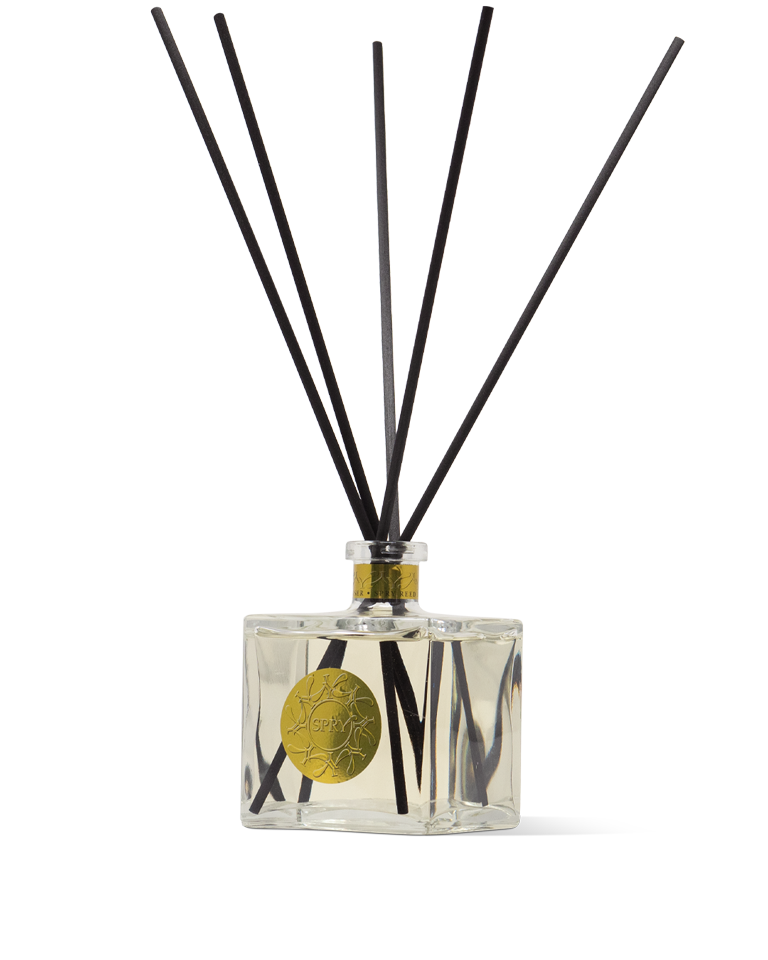
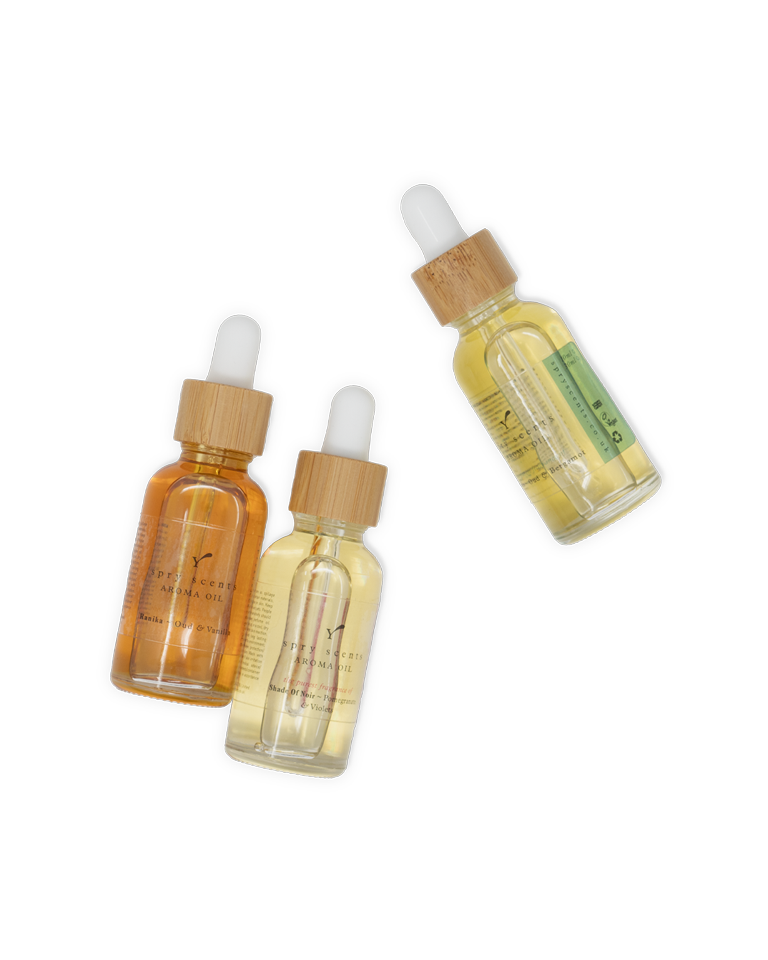 Spry 10 ml Pure Cinnamon Chai Essential Oil – Aromatherapy & Fragrance